What to Do After Shooting a Deer: Recovery Checklist
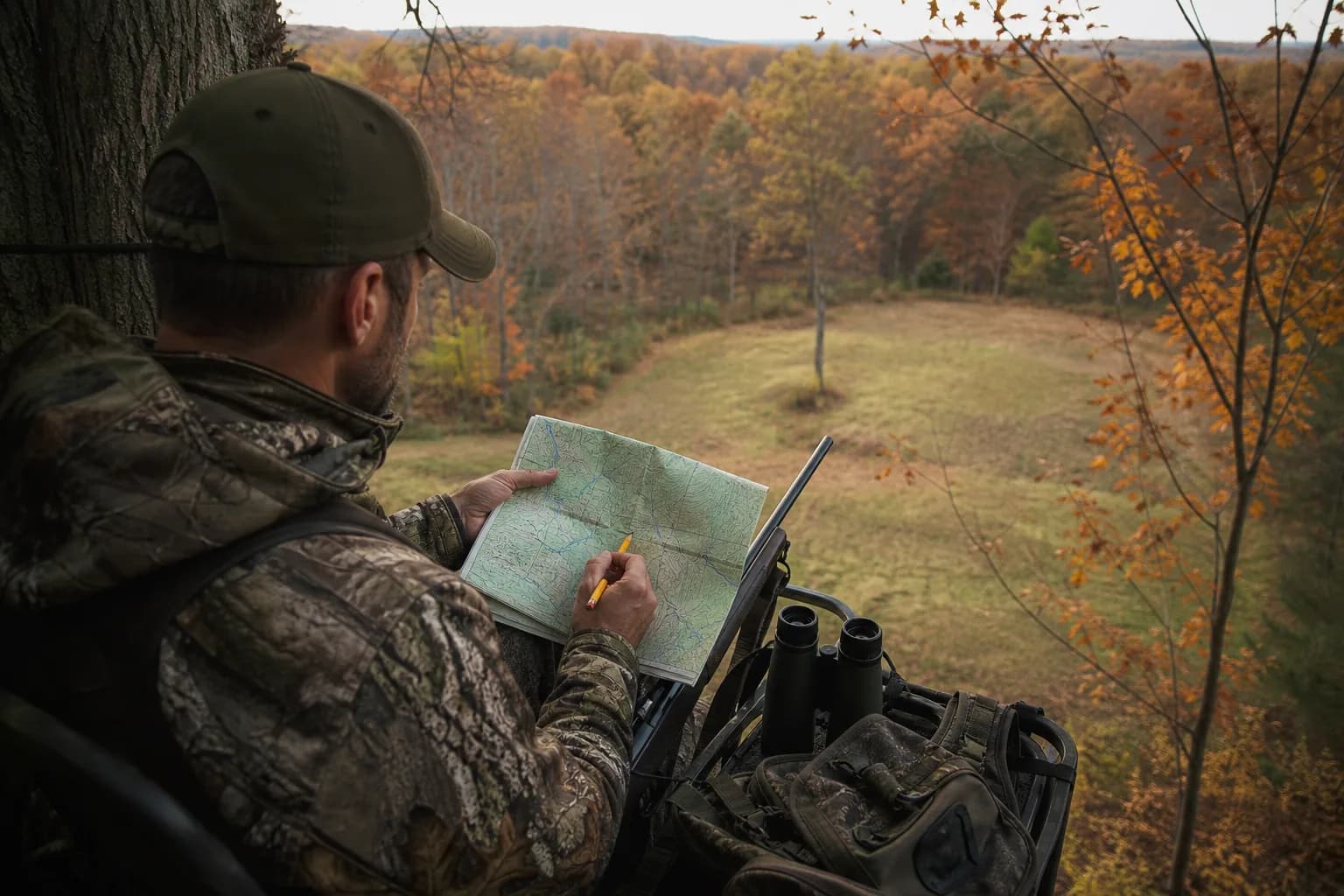
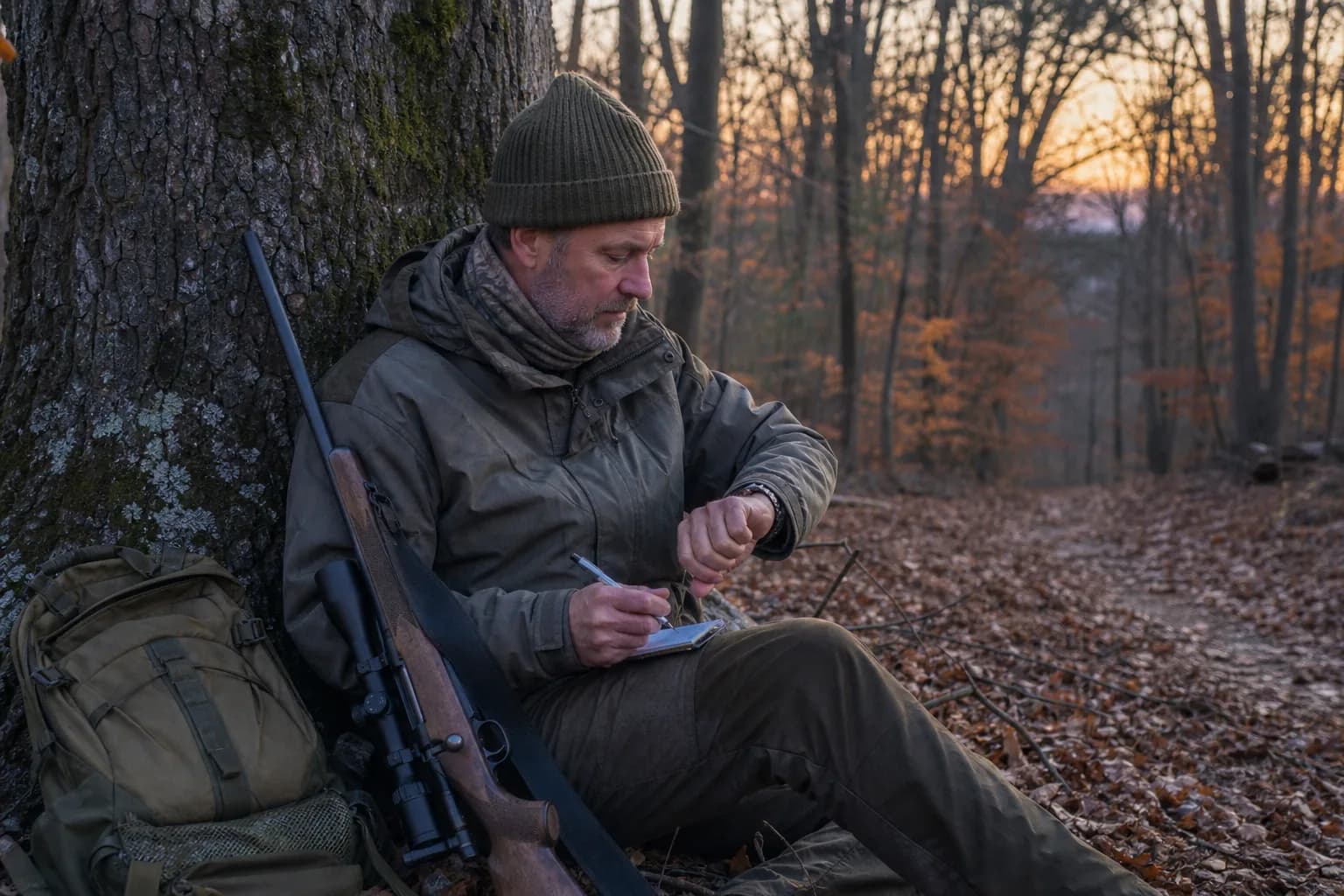
Stay in place, make the weapon safe, watch and listen, mark the deer's position and last sighting, record the time, then choose the wait before approaching the hit site.
Use the deer’s reaction, the hit site and the trail together. No single blood color or rule replaces the full picture.
If the hit is uncertain, give the animal more time and protect the trail. Conditions, regulations and tracking-dog rules vary by state.
Mark where the deer stood, its reaction and the last place you saw it.
Use the likely hit and all available sign—not impatience—to set the clock.
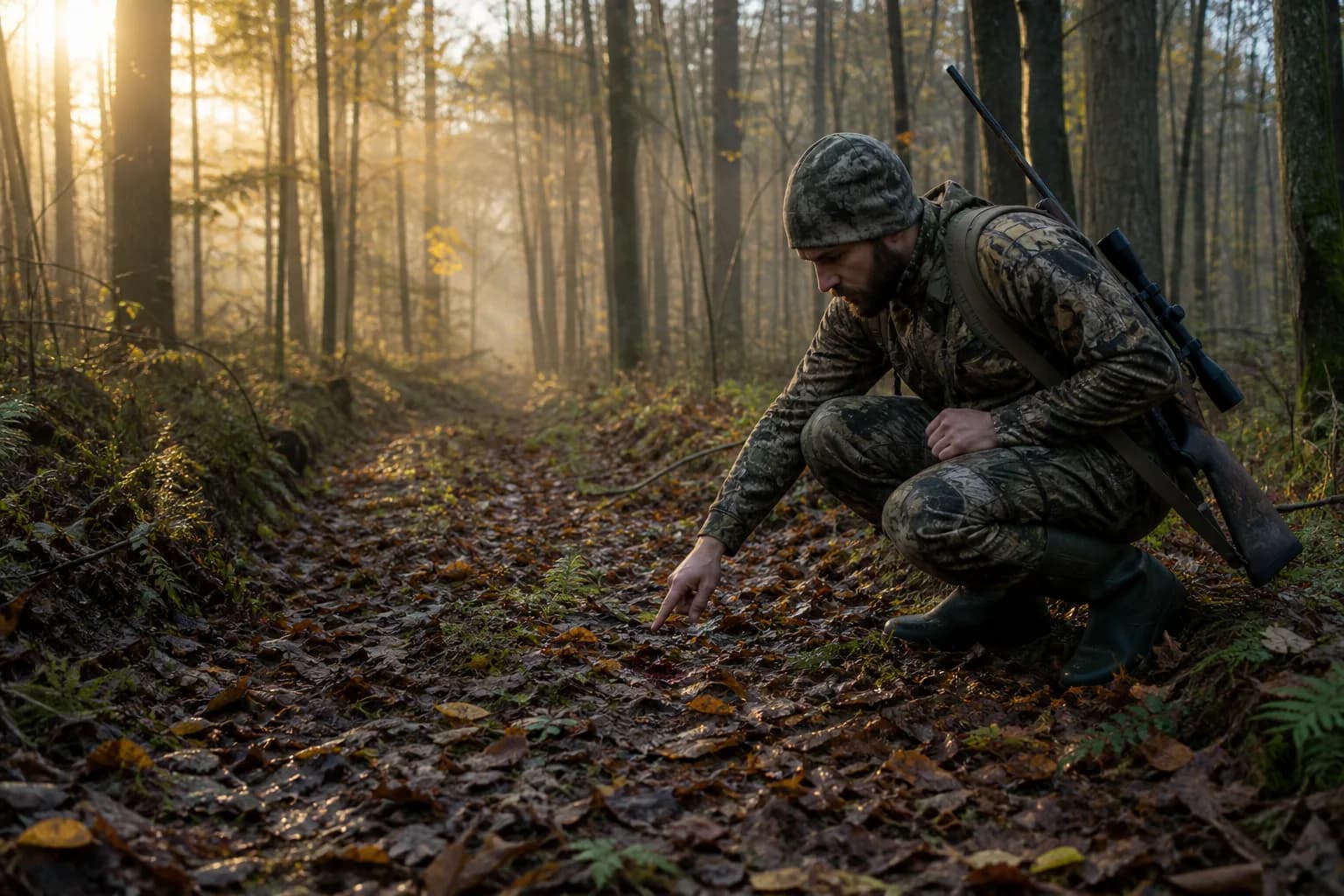
Combine blood, hair, tracks and disturbed cover before drawing a conclusion.
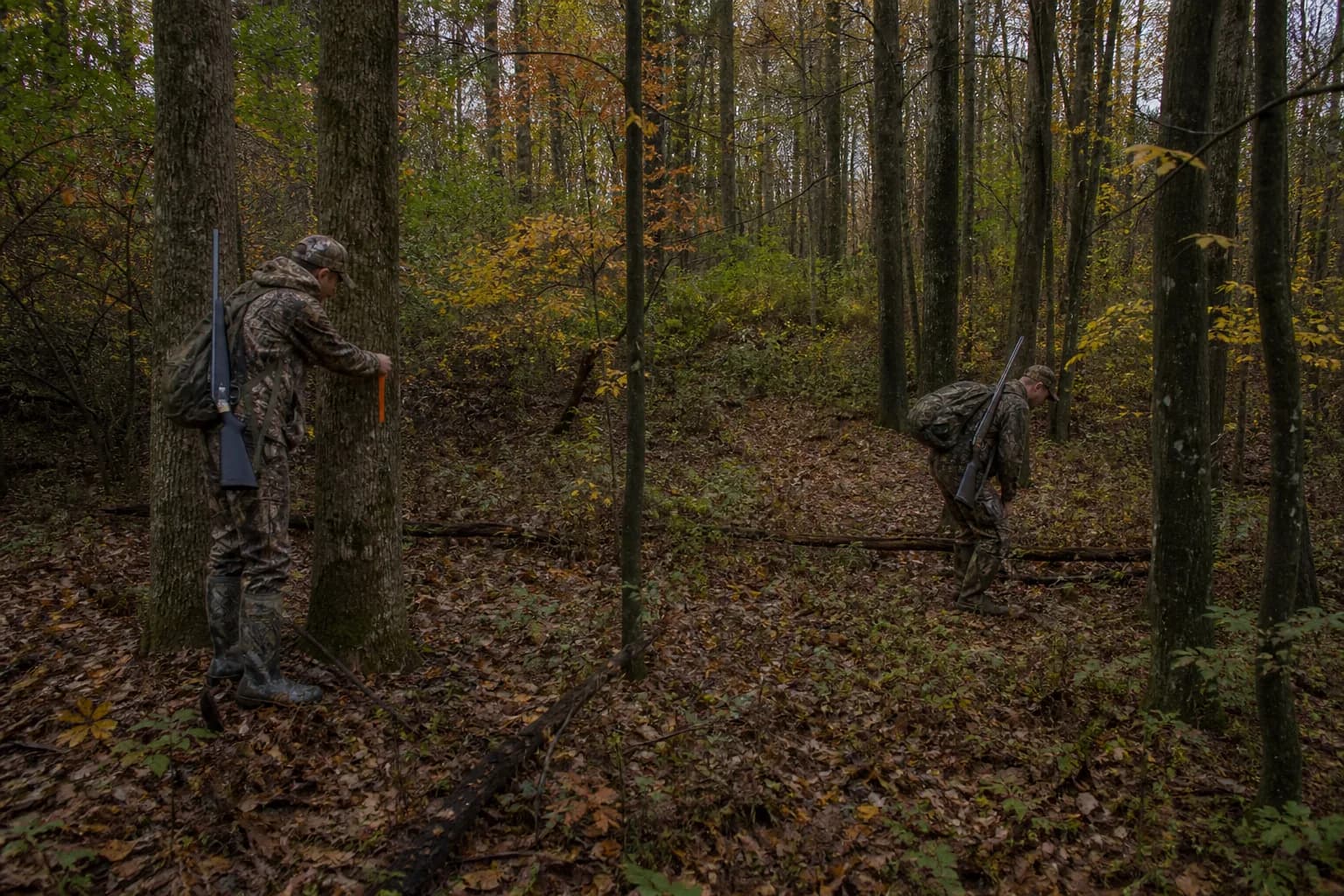
Mark every confirmed point so the search always has a reliable place to restart.

Stay in place, make the weapon safe, watch and listen, mark the deer's position and last sighting, record the time, then choose the wait before approaching the hit site.

Return to the exact hit site, rebuild the shot line and search for hair, tracks and disturbed cover before expanding from the last confirmed sign in a controlled grid.

Start with at least 30 minutes when the deer is not visibly down, then extend the wait whenever the shot, reaction or sign suggests liver, stomach or an uncertain hit.

Pink foam, bright red drops, dark blood and digestive material can point in different directions, but color alone never confirms where a deer was hit.

Wait before taking the trail, start at the exact hit site, mark every confirmed sign and let blood, hair, tracks and the deer's reaction tell one consistent story.